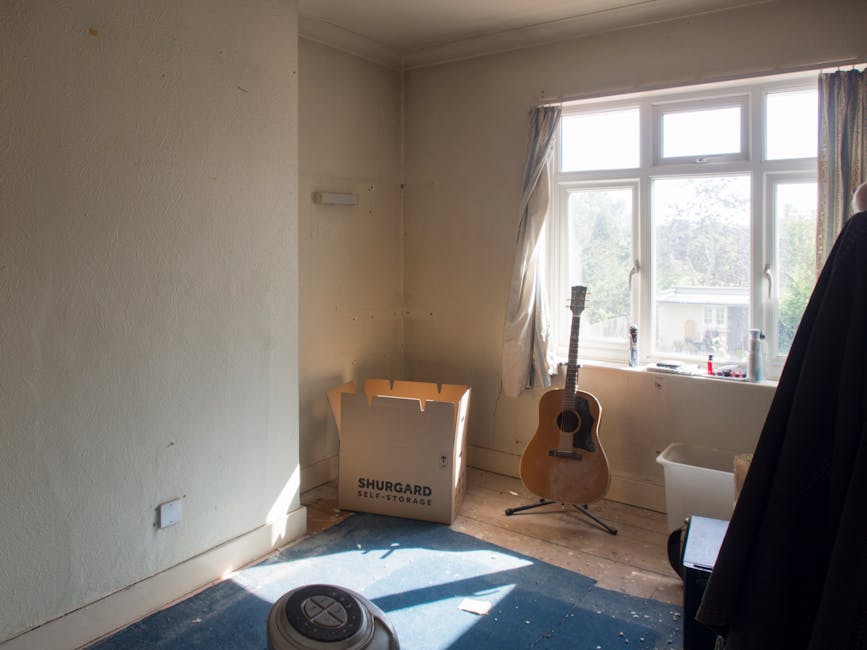
Local case study small flat removals in Kingsbury before and after
If you have ever moved out of a small flat in Kingsbury, you will know it is rarely just a simple lift-and-load job. Narrow hallways, tight stairwells, parking pressure, awkward sofas, boxes stacked in the wrong order, and that last-minute panic about whether the bed frame will actually fit through the door. This guide looks at Local case study small flat removals in Kingsbury before and after in a practical, grounded way, so you can see what changes when the move is planned properly. It is not just about the van. It is about the whole moving day before and after: the stress, the access, the timing, and the difference a well-run local move can make.
We will break down how small flat removals usually work in Kingsbury, what the real benefits are, who this approach suits, and where problems tend to creep in. You will also get a simple step-by-step process, a useful comparison table, and a checklist you can actually use. In short, this is the kind of moving advice people wish they had before the first box was taped shut.
Table of Contents
- Why Local case study small flat removals in Kingsbury before and after Matters
- How Local case study small flat removals in Kingsbury before and after Works
- Key Benefits and Practical Advantages
- Who This Is For and When It Makes Sense
- Step-by-Step Guidance
- Expert Tips for Better Results
- Common Mistakes to Avoid
- Tools, Resources and Recommendations
- Law, Compliance, Standards, or Best Practice
- Options, Methods, or Comparison Table
- Case Study or Real-World Example
- Practical Checklist
- Conclusion
- Frequently Asked Questions
Why Local case study small flat removals in Kingsbury before and after Matters
Small flat moves are easy to underestimate. A one-bedroom flat can still involve more time, more lifting, and more decision-making than people expect. In Kingsbury, that can be especially true because local routes, parking restrictions, and block access all shape how the day unfolds. A move that looks straightforward on paper can become a bit of a faff once you are standing outside with a wardrobe that refuses to swivel round the landing.
The reason a before-and-after view matters is simple: it shows the actual change in experience. Before the move, people often describe it as chaotic, rushed, and oddly emotional. After the move, if it has been handled well, the same job feels tidy, controlled, and much less draining. That contrast is useful because it tells you what really makes a difference: preparation, access planning, packing order, and using the right vehicle and crew for a smaller property.
There is also a local relevance angle here. Kingsbury is not a generic postcode. Roads, parking, and building layouts vary, and that affects removal planning in real ways. Someone moving out of a compact flat near a busier stretch will face different constraints from someone in a quieter side street. The point is not that one move is harder than the other; it is that local knowledge changes the outcome. That is the bit people often miss.
Practical takeaway: a small flat removal in Kingsbury is rarely about brute force. It is about sequencing, access, and keeping the move calm enough that you can think clearly on the day.
How Local case study small flat removals in Kingsbury before and after Works
At a basic level, a local small flat removal follows a simple pattern: assess, pack, load, transport, unload, and settle. But the difference between a smooth job and a messy one lies in the detail. Let's be honest, the detail is where moving day either behaves itself or decides to make things interesting.
1. Initial assessment
The move usually starts with a quick assessment of what is being taken, how much access there is, and whether there are any awkward items. A sofa that looks normal in a living room may become a problem the moment it meets a narrow stairwell. Likewise, a mattress or wardrobe may need dismantling. Good planning starts with the physical shape of the property, not just the inventory list.
2. Packing and preparation
For small flats, packing discipline matters more than people think. If boxes are loosely packed, they become hard to stack safely. If fragile items are mixed with books and kitchenware, damage risk rises. A tidy pack means faster loading and fewer surprises. This is where services such as packing and boxes can make a real difference, especially when time is tight or the move is happening after work.
3. Access and loading
Loading a small flat is usually more about geometry than strength. The route from front door to van matters: stair width, hallway turns, lift availability, and doorstep clearance all affect timing. In a Kingsbury setting, parking and stopping distance can also influence how quickly items reach the vehicle. If the van cannot get close enough, everything takes longer. Simple, but true.
4. Transport and delivery
Because this is a local move, transport time is often short, but that does not mean it is trivial. Short journeys still need secure loading so that furniture, boxes, and delicate items do not shift in transit. The right vehicle choice matters too. A compact flat move often works well with a man with a van style service, while larger loads may suit a bigger removal vehicle.
5. Unloading and setup
The after part of the move is often where stress either drops away or lingers. Unloading in a logical order saves time and stops you from living around stacked boxes for three days. It helps to place bed parts, bedding, kettle, and basic kitchen items somewhere accessible first. You do not need perfection on arrival. You need function. Then you can breathe.
That before-and-after change is the real story. Before: clutter, uncertainty, and a bit of dread. After: rooms usable again, furniture in place, and a flat that starts to feel like home rather than a storage unit with windows.
Key Benefits and Practical Advantages
Small flat removals are often chosen because they are efficient, but the benefits go beyond saving a bit of time. When planned properly, the whole process is calmer and more predictable. That matters more than people sometimes admit.
- Less disruption: a smaller volume of belongings usually means less packing chaos and a quicker handover.
- Better control over costs: local, compact moves are often easier to estimate because they need fewer labour hours and less vehicle space.
- Reduced physical strain: a planned move lowers the chance of rushed lifting, repeated trips, and tired mistakes.
- More flexible scheduling: local moves can often be fitted around building access times, work schedules, or tenancy deadlines.
- Faster setup at the new address: because there is less to move, you can prioritise essentials and get settled sooner.
Another practical advantage is that a small flat move usually gives you a cleaner chance to declutter. Most people find a move exposes what they really use and what has been sitting in a cupboard since goodness knows when. That can be awkward, but useful. A move without the excess feels lighter. Literally and mentally.
For some customers, the biggest advantage is simply confidence. Once they have seen how a local move can be handled properly, they stop dreading the day. And that shift changes everything.
Who This Is For and When It Makes Sense
This type of service is a good fit for several common situations. If you are moving from a studio, a one-bedroom flat, or a compact apartment in Kingsbury, the basic model is usually ideal. It also suits people who do not have a huge amount of furniture, but still need help with lifting, transport, and access.
It makes sense when:
- you are moving within Kingsbury or nearby areas;
- you have a moderate load rather than a full house of furniture;
- your building has stairs, limited parking, or a tight entrance;
- you want a same-day or short-notice move;
- you need help with heavier items but not a full-scale removal crew;
- you are moving between rentals and have a strict time window.
It may also suit students, young professionals, downsizers, and anyone moving out of a flat after a tenancy ends. Truth be told, it is often the people with the least spare time who benefit most. A local move can feel manageable again when the logistics are handled properly.
If your move includes unusually bulky or fragile items, you might need a more specialised plan. A piano, for example, deserves its own approach. The same is true for large sofas, awkward wardrobes, or items that need dismantling and reassembly. In those cases, it is wise to look at specialised help rather than guessing and hoping for the best.
Step-by-Step Guidance
Here is the simplest way to plan a small flat removal in Kingsbury without turning the week into a saga.
Step 1: Make a clear inventory
Start with a room-by-room list. Keep it basic: furniture, boxes, fragile items, appliances, and anything awkward. This is not about overcomplicating things. It is about making sure nothing gets left behind in a cupboard or under the bed. People forget the little things all the time. Chargers. Lamps. A pan in the oven. It happens.
Step 2: Check access before moving day
Walk the route from your flat to the van. Note stairs, tight corners, lifts, permits, entry codes, and parking options. If there is a narrow front path or a shared driveway, mention it early. This is one of those small steps that saves a lot of grief later.
Step 3: Pack by priority
Do not pack randomly. Group items by use and fragility. Put essentials in a separate box or bag so you can find them quickly after the move. Kettle, toiletries, phone charger, documents, snacks, and a change of clothes. The boring stuff, yes. Also the stuff you will very much want later.
Step 4: Decide what needs dismantling
Flat-pack furniture, bed frames, large wardrobes, and some dining tables often move better when taken apart. If you can dismantle things safely in advance, the loading process becomes much easier. If not, make sure the moving team knows what needs attention before they arrive.
Step 5: Protect fragile and valuable items
Wrap glass, mirrors, and electronics properly. Use blankets, paper, or packing materials as needed. If you are using a service that includes packing help, confirm what is supplied and what you need to provide. That prevents the awkward last-minute scramble for tape and a box that is somehow too small and too big at the same time.
Step 6: Load in the right order
Heavy and sturdy items usually go first, with lighter and fragile things placed securely around them. This keeps the van stable and reduces risk. Good loading is quiet, methodical work. Not glamorous, but very effective.
Step 7: Unload with a plan
At the new flat, place beds, chairs, and boxes in the right rooms straight away if possible. If you can sort essentials first, your first night feels less like camping and more like moving home. Which, to be fair, is the goal.
Expert Tips for Better Results
There are a few habits that tend to make a big difference. None are fancy. That is the point.
- Label boxes clearly on two sides. If the labels face the wall, you will regret it later. Honestly, everyone does.
- Keep a "do not load last" box. This should contain documents, keys, chargers, medication, and anything you need the same day.
- Take photos of cable setups. TVs, routers, and desk wiring are much easier to rebuild if you have a quick reference.
- Measure large furniture against doors and hallways. A few minutes with a tape measure can prevent a great deal of awkward twisting.
- Leave a clear path inside the flat. Shoes, bags, loose rugs, and clutter slow things down more than people expect.
- Tell your movers about access quirks. A side entrance, a busy road, or a lift with a time slot can change the plan entirely.
One small but useful habit: pack a simple cleaning kit separately. A cloth, spray, bin bags, and paper towels. After the move, you will want to wipe surfaces, deal with dust, and tidy as you go. It is not glamorous. It is just one of those things that makes the new place feel sane a bit faster.
Expert summary: the best small flat removals are not the fastest in a dramatic sense; they are the ones that feel boringly controlled. That is a compliment, by the way.
Common Mistakes to Avoid
Most removal problems come from a handful of avoidable missteps. The good news is that once you know them, they are much easier to dodge.
Underestimating the time needed
A small flat can still take longer than expected if packing is unfinished, access is tight, or furniture needs dismantling. Leaving everything until the final evening is a classic mistake. A stressful one, too.
Assuming access will be easy
Not every Kingsbury property has the same layout. A move that seems simple from the street can become awkward inside the building. Check the route properly. It saves a lot of lifting surprises.
Packing too loosely
Loose boxes are more likely to split, topple, or waste space. Overpacked boxes are worse. The sweet spot is firm, balanced, and not too heavy to carry safely.
Forgetting about parking
Parking may be a small detail on paper, but on moving day it can become a major headache. If the van is too far away, everything slows down. Local knowledge helps here, especially around busier roads.
Not separating essentials
People often pack the kettle, phone charger, kettle again somehow, and the bedding all in different boxes. Then the first night gets unnecessarily awkward. Keep your basics together.
Trying to move unsafe items alone
Heavy lifting without the right method can lead to damage or injury. If something feels too heavy, too bulky, or too unstable, pause. Better a small delay than a strained back. No one enjoys the hero act when the wardrobe wins.
Tools, Resources and Recommendations
You do not need a truckload of equipment to handle a small flat move well, but a few practical tools make life much easier.
- Strong boxes: use proper moving boxes rather than old supermarket cartons where possible.
- Packing tape and markers: basic, but vital.
- Blankets and covers: good for protecting furniture edges and surfaces.
- Furniture straps: useful for securing items during transport.
- Basic toolkit: a screwdriver and Allen keys are often enough for flat-pack furniture.
- Labels or stickers: help you sort room destinations fast.
For people who want extra help, service pages such as flat removals, removal services, and home moves can help you compare the broader options available. If your move is especially light, a smaller vehicle option such as a removal van may be enough. If you have a wider range of items, a fuller removals setup may be better.
It can also help to think about what is staying and what is going. Many people use a move to reduce clutter before packing begins. That is often the smart move, not the fancy one. If you need ideas for clearing out items first, it is worth reading about decluttering and furniture removal options before the moving date creeps up on you.
Law, Compliance, Standards, or Best Practice
For a local domestic move, the key compliance points are usually practical rather than legal drama. You want to make sure goods are handled safely, parking is managed responsibly, and any property rules are respected. If you live in a block, there may be building access rules, lift booking windows, or delivery restrictions. These are often set by the landlord, managing agent, or building management, so check them early.
Safe lifting matters as well. In the UK, good manual handling practice is part of normal moving work, and the sensible approach is the same whether the move is big or small: do not twist awkwardly, do not lift more than is safe, and use the right equipment when needed. If an item is too bulky, it is better to move it with proper support than to take a risky shortcut.
Insurance is another useful consideration. Before booking, it is wise to check what protection is included, how claims are handled, and whether items of value need any special attention. A professional operator should be able to explain this clearly. If they cannot, that is a small warning sign. Nothing dramatic, just worth noticing.
There are also ordinary best practices around respect for neighbours and shared spaces. Keep communal hallways clear, minimise unnecessary noise, and avoid blocking access for too long. In Kingsbury, as in most London areas, a considerate move usually goes more smoothly. People notice. You notice too.
For more detail on how a provider handles safety and responsibility, you can review pages like health and safety policy, insurance and safety, and recycling and sustainability. Those details may feel dull at first glance, but they tell you a lot about how carefully a move is run.
Options, Methods, or Comparison Table
Not every small flat move needs the same setup. The right choice depends on volume, access, urgency, and how much help you want on the day.
| Approach | Best for | Strengths | Watch-outs |
|---|---|---|---|
| DIY with a hired van | Very light loads and flexible schedules | Lower direct cost, full control | Higher effort, more risk, parking stress |
| Man and van | Small flats, local moves, mixed item loads | Flexible, efficient, usually quick to organise | May not suit very large or complex moves |
| Full removals team | Heavier loads, more furniture, more support needed | More hands, better for awkward items | Usually more expensive than a compact service |
| Same-day removal help | Urgent moves and short-notice problems | Fast response, less waiting around | Availability can vary, so timing matters |
If the move is small but awkward, a flexible local option often makes the most sense. If the move is simple and light, you may not need a big crew at all. If it is urgent, a service such as same-day removals may be worth considering, provided the load and timing are realistic.
There is no single perfect method. There is only the method that fits your flat, your timeline, and your tolerance for stress. And that last one matters more than people admit.
Case Study or Real-World Example
Here is a practical local-style example based on the kind of small flat move that happens all the time in Kingsbury.
Before: the flat was a compact one-bedroom property with a bed frame, mattress, two shelving units, a small sofa, a dining table, and roughly a dozen boxes. The resident had limited time because of a tenancy handover and was worried about parking near the property. The hallway was narrow, and the sofa looked manageable until it reached the turning point near the door. Always the turning point. It is never the sofa itself at first glance.
What changed: the move was planned around access first. Heavy items were checked against door width and dismantled where sensible. Boxes were labelled by room, fragile items were separated, and essentials were kept aside. The van was positioned to minimise carrying distance, and the loading order was set so the move did not stall midway through.
After: the flat was cleared without the usual last-minute scramble. Items arrived in a usable order, the bed was reassembled early, and the resident had the basics ready the same evening. Not every box was unpacked, obviously. Moving house rarely looks like a showroom by 7 p.m. But the big difference was emotional as much as practical: the day felt controlled rather than chaotic.
That is the point of a good before-and-after case study. It is not perfection. It is progress. You want the move to feel smaller than your fear of it.
Practical Checklist
Use this checklist in the days before a small flat removal in Kingsbury.
- Make a room-by-room inventory.
- Confirm access details, parking, and any building rules.
- Measure large furniture against hallways, stairs, and doors.
- Pack essentials separately for the first night.
- Label boxes clearly on at least two sides.
- Disassemble furniture that will be easier to move in parts.
- Protect glass, screens, mirrors, and fragile items.
- Check whether your booking includes loading, transport, and unloading support.
- Keep hallways and exits clear.
- Prepare payment details and key handover items in advance.
- Plan where each item will go at the new flat.
- Do a final sweep for drawers, cupboards, windowsills, and under beds.
Useful reminder: if you can make one part of the move easier, do it early. Packing one day sooner can change the whole mood of the move. Small effort, big payoff.
Conclusion
Local small flat removals in Kingsbury are at their best when they are planned with the real world in mind: access, parking, timing, lifting, and the simple fact that people are tired by moving day. A good before-and-after comparison shows that the value is not only in the transport itself. It is in the calm that comes from knowing what will happen, where things will go, and how the day will be handled.
If you are moving from a compact flat, the smartest approach is usually the one that keeps things simple, safe, and local. Do that, and the whole process becomes much more manageable. Less noise, less rush, less hassle. That is the sweet spot.
Get a free quote today and see how much you can save.
And if you are still in the planning stage, that is perfectly fine. A well-organised move starts with one sensible decision at a time, and honestly, that is often enough to turn a stressful day into a steady one.
Frequently Asked Questions
What does a local small flat removal in Kingsbury usually include?
It usually includes loading, transport, and unloading for a smaller household move, often with help for furniture handling and access planning. Depending on the booking, packing support or dismantling may also be included. Always check what is covered before the move date.
Is a man and van service enough for a one-bedroom flat?
In many cases, yes. If the load is moderate and the access is manageable, a man and van setup can be a very practical choice. If you have bulky furniture or a lot of boxes, you may need a larger vehicle or extra help.
How far in advance should I book a small flat removal?
For best choice and easier scheduling, booking as early as possible is sensible. That said, local moves can sometimes be arranged at short notice. If you need flexibility, ask about availability rather than assuming it is too late.
Do I need to dismantle furniture before the movers arrive?
Not always, but it often helps. Beds, wardrobes, and some tables move more easily when broken down safely. If you are unsure, mention the furniture in advance so the plan can be set properly.
How can I make moving day less stressful?
Pack essentials separately, label boxes clearly, check access in advance, and keep walkways clear. Those basic steps remove a surprising amount of friction. A calm move usually comes from boring preparation, which is annoying but true.
What if parking is difficult near my flat?
Parking should be discussed before the move, especially in busier parts of Kingsbury. If the van cannot stop close by, the job may take longer. Local experience helps here because route and parking planning can change the whole day.
Are small flat removals cheaper than full house moves?
They often are, because they usually involve less furniture, less labour, and shorter loading time. But every move is different. Access problems, stairs, and awkward items can still add time, so it is better to get a proper quote than guess.
Can I book a same-day move for a small flat?
Sometimes yes, depending on availability and the size of the load. Same-day help can be useful for urgent handovers or unexpected changes. It is best to be realistic about volume and timing when you ask.
What should I pack first for a flat move?
Start with non-essential items, seasonal belongings, books, decor, and anything you will not need before moving day. Keep everyday essentials to one side so you do not end up searching for toothpaste at midnight.
How do I know if I need extra help with fragile items?
If the item is valuable, glass-based, awkwardly shaped, or likely to shift in transit, extra care is wise. Mirrors, screens, artwork, and delicate furniture should be wrapped properly and loaded with care.
What is the best way to compare moving options?
Compare the size of your load, the access at both addresses, the timing you need, and the level of help you want. A simple move may only need a small vehicle, while a more awkward one may justify a fuller service. The best option is the one that fits the job, not the flashiest one.
Why do Kingsbury flat moves need local planning?
Because local conditions matter. Road layout, parking, nearby traffic, and building access can all affect the move. A service that understands Kingsbury tends to handle those variables more smoothly, which saves time and reduces stress.