Kingsbury Roe Green Village man and van access guide
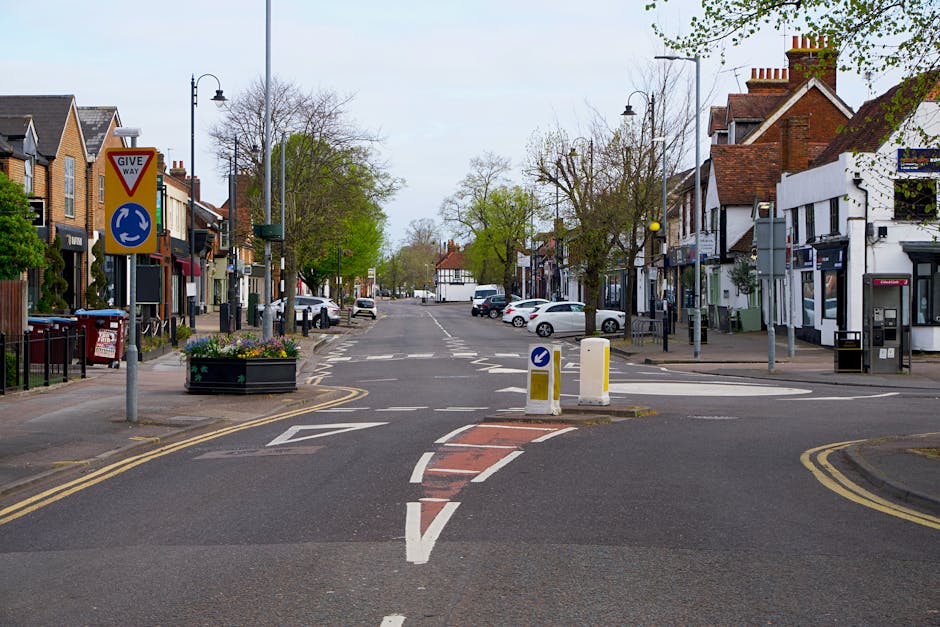
If you are planning a move in Roe Green Village, one of the quickest ways to save time, money, and stress is to think about access before the van arrives. This Kingsbury Roe Green Village man and van access guide breaks down the real-world details that make a local move go smoothly: narrow roads, parking space, turning room, lift access, stair carries, timing, and the small things people often forget until the last minute. Truth be told, most moving problems are not dramatic. They are little access issues that stack up. A few extra metres to carry a sofa, one blocked entrance, or a van that cannot stop safely can change the whole day.
In this guide, you will learn how access affects your move, how to prepare your property and collection point, what to tell your mover in advance, and which options make sense for flats, houses, student moves, furniture pick-ups, and same-day jobs. It is practical, plain English, and built for people who just want the move done properly.
- Why access matters in Roe Green Village
- How a man and van move works
- Key benefits and practical advantages
- Who this guide is for
- Step-by-step preparation
- Expert tips for easier loading
- Common mistakes to avoid
- Tools, resources and recommendations
- Law, compliance, standards and best practice
- Options and comparison table
- Real-world example
- Practical checklist
- Conclusion
- Frequently asked questions
Why Kingsbury Roe Green Village man and van access guide Matters
Access is the difference between a tidy, efficient move and a frustrating one. In Roe Green Village, you may be dealing with residential streets, parked cars, tight corners, shared entrances, or limited places to stop for loading. A small van can be ideal for these conditions, but only if the access plan matches the property. If it does not, the move can become slower, more expensive, and more tiring than expected.
A good access plan helps with more than parking. It affects how many trips are needed, whether a large item can be carried safely, whether a mover needs an extra pair of hands, and whether fragile items can be protected properly during loading. If you have ever watched a fridge wobble halfway down a narrow hallway, you will know the feeling. Nobody wants that moment. Not at 8:00 in the morning, and certainly not on moving day.
For local readers, this matters especially when moving between a house and a flat, moving into a converted property, or collecting furniture from a place with awkward street access. When the access is clear, your man and van service can work faster and more safely. That usually means less disruption, less lifting pressure, and a better overall experience.
Expert summary: good access planning is not just for big removals. It is just as valuable for a single-item furniture move, student move, office relocation, or short local transfer. The better the access, the smoother the day.
How Kingsbury Roe Green Village man and van access guide Works
A man and van move is usually straightforward: the team arrives, loads the agreed items, transports them, and unloads at the destination. But the access part is what shapes the pace of the job. In practice, the mover needs to know where the van can stop, how far the items must be carried, whether stairs or lifts are involved, and whether there are any restrictions on the road or building entrance.
Most access checks follow the same pattern:
- Collection point review. The mover needs the exact pickup location and whether it is a house, flat, block, or commercial premises.
- Parking and stopping space. Is there room for a van close to the entrance, or will the crew need to park further away?
- Walk distance. Even a short carry can matter if there are many boxes or awkward items.
- Stairs, lifts, and corridors. A narrow stairwell or small lift can change loading time quite a bit.
- Item size and fragility. Sofas, wardrobes, mattresses, and electronics often need extra care.
- Destination access. The same questions apply at the delivery address too.
That sounds simple, and to be fair it is. But the hidden value is in the details. A mover who knows about a basement flat, a top-floor walk-up, or a shared courtyard can plan the right vehicle size, loading order, and time slot. If you are comparing services, it can help to look at removal van options alongside flexible moving support so you can match the vehicle to the property, not the other way around.
Roe Green Village moves often work best when communication is direct. A quick description of the road, front door, lift access, and any restrictions is usually enough to avoid the classic day-of scramble. Nobody enjoys that. Not the customer, not the mover, and not the neighbours trying to reverse past a poorly parked vehicle.
Key Benefits and Practical Advantages
Good access planning gives you benefits you can actually feel on the day. It is not theoretical fluff. It saves effort, protects belongings, and reduces delays that tend to creep in when people guess instead of checking.
- Faster loading and unloading. Shorter carry distances usually mean quicker work.
- Less chance of damage. Items are moved with more control when the route is clear.
- Lower physical strain. Fewer awkward lifts mean less fatigue for everyone involved.
- Better use of vehicle space. A well-planned load order makes the trip more efficient.
- Clearer pricing. When access details are known, quotes can be more realistic.
- Less disruption to neighbours. Good timing and parking decisions help avoid complaints.
There is also a calmness factor that people often underestimate. When the van turns up and everyone knows where to go, the whole move feels more manageable. You can hear the doors open, boxes shifting, the tap of feet on the pavement, and suddenly the job is underway instead of turning into a debate about parking. That matters more than people think.
If you are moving furniture, it may also be worth considering whether a dedicated furniture removals service or a broader removal services approach suits the job better. For one heavy item, a compact move can be ideal. For a full house, a more structured plan may save you time overall.
Who This Is For and When It Makes Sense
This guide is useful for anyone moving within or around Roe Green Village, but it is especially helpful in a few common situations. If you are unsure whether a man and van is the right fit, ask yourself one question: is the move small enough to benefit from flexibility, but complex enough to need proper access planning?
It often makes sense for:
- people moving a few rooms of furniture
- flat residents dealing with stairs or limited parking
- students moving into or out of local accommodation
- families shifting items between homes
- small offices moving equipment or archive boxes
- eBay, marketplace, or furniture marketplace collections
- same-day or short-notice moves where speed matters
If you live in a flat or apartment block, access can be the deciding factor. A compact vehicle may be easier to place near the entrance, and a service such as flat removals can be more practical than organising a larger team for a relatively simple job. Likewise, if the move involves a bedroom setup, desks, or boxed items from halls or shared housing, student removals can be the cleaner fit.
It also makes sense for people who are not trying to move everything in one go. Maybe you have storage items to shift first, or you are collecting a sofa before the rest of the move happens next week. That is normal. Life rarely lines up neatly.
Step-by-Step Guidance
If you want the move to run properly, treat access as part of the booking process, not an afterthought. Here is a simple way to prepare.
- Check the entrance route. Walk from the front door to the street and notice any narrow points, steps, low ceilings, or awkward turns.
- Measure the big items. Sofas, beds, wardrobes, white goods, and large cabinets should be measured before moving day.
- Confirm parking reality. Look at where a van can safely stop without blocking driveways, corners, or essential access.
- Note building access details. Is there a lift? Is it large enough? Are there access codes or reception rules?
- Tell the mover about fragile or heavy items. Pianos, mirrors, glass tables, and electronics need extra care and maybe different loading methods.
- Group items by room. This helps the crew load in order and unload sensibly at the destination.
- Prepare a quick access summary. Keep it short but complete: street name, parking options, floor level, stairs, lift, restrictions, and any time limits.
That last step sounds tiny. It is not tiny. It saves a surprising amount of faffing around on the day.
If you need packing support as well, it is worth looking at packing and boxes or packing and unpacking services. Good packing and good access planning go together. A battered box and a tight stairwell are not a cheerful combination.
One practical tip from real moving days: leave a clear path from the front door to the van. Shoes, coat racks, bin bags, kids' bikes, and loose cables all get in the way faster than you would expect. It only takes one slip to slow the whole process down.
Expert Tips for Better Results
Once the basics are covered, the next step is making the day easier for everyone. These are small, sensible habits that can improve the flow of the job without turning it into a military operation.
- Book an early slot if parking is tight. Streets are often calmer earlier in the day.
- Keep your access notes brief and accurate. Long messages can hide the one detail that matters.
- Separate "first off" items. Put essentials, tools, and key furniture in a logical load order.
- Protect floors and corners. Especially in older properties where scuffs show quickly.
- Use labels that make sense. "Kitchen," "Bedroom 1," and "Storage" beat vague labels every time.
- Allow extra time for awkward items. A wardrobe that needs turning on a landing always takes a bit longer, let's face it.
Another useful point: if the destination has limited access too, think about whether the unloading spot needs to be cleared in advance. It is a small thing, but it can prevent a chain reaction of delays. A box in the hallway, then a chair, then a pile of bags. Suddenly nobody can pass. Very ordinary, very annoying.
If your move is part of a broader change, you might also need home moves support or, for a work relocation, office removals or commercial moves. The same access principles apply, but the scale and timing become more important.
Common Mistakes to Avoid
The biggest access mistakes are usually simple and avoidable. That is the good news. The bad news is that they happen a lot.
- Assuming the van can park right outside. Streets and estates do not always cooperate.
- Forgetting to mention stairs. A top-floor walk-up is a different job from a ground-floor pickup.
- Underestimating item size. A sofa looks fine in the lounge and suddenly enormous in the stairwell.
- Ignoring building rules. Some blocks have access times, lift restrictions, or loading protocols.
- Leaving access checks until the day before. That is when small problems become expensive ones.
- Packing too loosely. Loose lids, heavy overfilled boxes, and awkwardly shaped items slow everything down.
Another very common issue is forgetting the destination. People focus on the collection point and then realise the new place has a narrower entrance, a smaller lift, or a long carry from the road. You need both ends of the move to work. Both ends. That is the bit that gets missed.
If the job is mostly about moving large furniture safely, you may want to compare a few approaches, including man with a van and broader removals support. The right choice depends on access, volume, and how much lifting is involved.
Tools, Resources and Recommendations
You do not need fancy equipment to prepare well. A few practical tools are enough to keep the job on track.
- Tape measure. Useful for doors, sofas, headboards, wardrobes, and lifts.
- Phone camera. Take pictures of tricky entrances, stairwells, and parking situations.
- Sticky labels or marker pens. Helps keep boxes organised by room.
- Basic floor protection. Especially helpful in rain or on polished surfaces.
- Boxes of the same size where possible. They stack better, and the van loads more neatly.
For customers who want a fuller service, it is worth exploring packing and unpacking services or a mixed approach with removal van support for smaller, more precise moves. If you are relocating a business, office relocation services can be a better fit because they tend to consider timing, equipment, and access around working hours.
A quick note on communication: send the details before moving day, not during it. A photo of the entrance or street can be more useful than a long description. It is easier for everyone to picture the situation when there is a clear visual reference.
Law, Compliance, Standards and Best Practice
For local moves, the main compliance issues are usually practical rather than complicated. The important thing is to keep access safe, avoid blocking roads or entrances, and follow the rules of the property or building. If a vehicle needs to stop on a narrow street, the move should be planned so it does not create unnecessary risk for pedestrians, residents, or other road users.
Best practice usually includes:
- making sure parking and loading are done safely and legally
- protecting common areas from damage where possible
- respecting building management instructions and time windows
- handling items carefully to reduce the chance of injury or breakage
- keeping the access route clear for residents and emergency use
Insurance is also part of sensible planning. A professional moving company should be able to explain how items are covered, what is expected from the customer, and how safety is managed during loading and transit. If you want a plain-language overview of that side of things, see insurance and safety. For service terms and expectations, terms and conditions and health and safety policy are also worth checking.
There is no need to overcomplicate it. The general principle is simple: plan the move so it is safe, fair, and realistic for everyone involved. That is usually what separates a smooth job from a messy one.
Options, Methods, or Comparison Table
Different moving methods suit different access situations. A quick comparison helps when you are deciding how much help you actually need.
| Option | Best for | Access considerations | Typical benefit |
|---|---|---|---|
| Man and van | Small to medium local moves | Good for tight streets, stairs, and shorter carry distances | Flexible, practical, cost-conscious |
| Removal van only | Simple collections or item transport | Works best when you can manage loading yourself | Efficient for straightforward jobs |
| Full removals support | Houses, larger flats, or multi-room moves | Better when access is awkward or there are many items | Less lifting and better coordination |
| Same-day removals | Urgent or last-minute moves | Needs quick access information to avoid delay | Speed and responsiveness |
There is no single "best" option for everyone. If you are moving a sofa from a second-floor flat with awkward stairs, you may want a more supported approach. If you are collecting a desk, lamp, and box of books from a nearby house, a smaller setup may be enough. Simple really.
Some people also choose to use same-day removals when timing is tight, especially for tenancy handovers or quick furniture pickups. If storage is part of the picture, perhaps because the new home is not ready yet, storage can take the pressure off a bit.
Case Study or Real-World Example
Picture a typical Roe Green Village move. A customer is leaving a first-floor flat with one staircase, a corner sofa, a double mattress, three medium boxes, and a small dining table. The new place is just a few streets away, but the road outside the flat is narrow and parking is often busy by mid-morning.
Instead of turning up and hoping for the best, the customer checks the route in advance, notices that the van will need to stop a short distance away, and tells the mover that the sofa is the heaviest item. They also confirm that the mattress will need careful turning on the stair landing. On the day, the crew arrives with the right expectations, load order is planned sensibly, and the whole move stays calm. Not perfect, no move ever is, but calm. That is the win.
If the customer had left out the stair detail, the job could still have been done, of course, but the timing would have been less predictable. Maybe a few extra minutes. Maybe more. And in moving, a few extra minutes often become a few extra stresses. Funny how that works.
That is why access planning is not just paperwork. It shapes the real experience of the move.
Practical Checklist
Use this checklist before your move day. It keeps things simple and avoids the usual panic.
- Confirm collection and delivery addresses clearly.
- Check where the van can stop safely.
- Measure the largest items.
- Note stairs, lift size, and corridor width.
- Tell the mover about any access codes or building rules.
- Separate fragile items from heavy items.
- Label boxes by room.
- Clear hallways, doorways, and landings.
- Make sure someone is available at both ends if needed.
- Keep keys, documents, and essentials with you.
- Share any time restrictions in advance.
- Take a quick photo of difficult access points if that helps explain the setup.
If you are still deciding on the right service, the company's main man and van page is a sensible starting point, and the pricing and quotes information can help you understand what affects the final cost. If you want to read more about the business itself, about us gives useful background and helps build trust before you book.
Conclusion
Good access planning is one of those things that looks minor until you need it. In Roe Green Village, where street layout, parking, and property type can all affect the move, taking ten minutes to think through access can save a lot of hassle later. It makes the job safer, faster, and far less stressful. And honestly, that is what most people want: a move that feels organised, not chaotic.
Whether you are moving a few pieces of furniture, shifting out of a flat, or arranging a short local transfer, the same principle holds. Check the route, measure what matters, tell the mover the truth about access, and keep the path clear. Small effort, big difference. That is usually the whole game.
If you want a move that feels properly planned from the start, take the time to get the access details right. You will thank yourself when the van doors shut and everything is already where it needs to be.
Get a free quote today and see how much you can save.
Frequently Asked Questions
What is a Kingsbury Roe Green Village man and van access guide?
It is a practical guide that explains how to prepare for a local move in Roe Green Village, with a focus on parking, stairs, entrances, loading space, and safe access for the van and movers.
Why does access matter so much for a man and van move?
Access affects how quickly items can be loaded and unloaded, how much lifting is needed, and whether the van can park close enough to the property. Poor access usually means more time and more effort.
Do I need to measure my furniture before booking?
Yes, especially for large or awkward items such as sofas, beds, wardrobes, mirrors, and appliances. Measurements help the mover plan the best loading method and avoid surprises on the day.
What details should I tell the mover in advance?
Share the address, parking situation, floor level, lift access, stair count, any building rules, and whether there are any large or fragile items. A short, accurate summary is best.
Is a man and van suitable for flat moves?
Usually yes, especially for smaller flat moves or local relocations with limited items. If the building has awkward stairs or limited parking, a flat-focused service can be especially useful.
What if parking is tight outside my property?
Tell the mover as early as possible. They may need to plan for a short carry, a different arrival time, or a smaller vehicle that is easier to position safely.
Can a man and van service help with same-day moves?
Yes, provided the access details are clear and the job is practical to complete in the available time. Same-day moves often rely on fast, accurate communication.
How do I make loading faster on move day?
Clear hallways, group items by room, label boxes, and keep the route to the van free of clutter. If you know which items need to go first, tell the mover before loading starts.
What should I do if my building has a lift but it is small?
Let the mover know the lift size and whether it can fit larger items. Sometimes the safest option is to use the stairs for certain items and the lift for boxes and lighter belongings.
Is access planning important for furniture collection too?
Absolutely. A single sofa or dining table can still be awkward if parking is limited or the entrance is narrow. Furniture collection often goes faster when access is explained clearly in advance.
Should I choose man and van or full removals?
Choose man and van for smaller or more flexible moves, and full removals for bigger loads, more items, or more complex access. If you are unsure, compare the size of the move with the amount of lifting involved.
Where can I check service details and trust information before booking?
You can review service pages such as removal services, insurance and safety, and terms and conditions to understand how the service is organised and what to expect.